

Complete Healthcare Team
A Pap smear takes about a minute, and it’s one of the most effective cancer-prevention tools in modern medicine. It doesn’t just catch cervical cancer early. It catches the cell changes that come years before cancer, when they’re easy to monitor or treat, which is why regular screening has dramatically reduced cervical cancer deaths. If you’ve been putting yours off or aren’t sure what it actually involves, this covers what you need to know.
Understanding what the test does, when you need it, and what the results mean takes most of the anxiety out of it. The gynecology team at Complete Healthcare performs these screenings routinely, and below is a straightforward guide to the whole picture, including what happens if a result comes back abnormal.
Pap Smear Meaning: What the Test Actually Is
A Pap smear, also called a Pap test, is a screening test that checks for abnormal cells on the cervix, which is the lower, narrow end of the uterus that opens into the vagina. It’s named after Dr. George Papanicolaou, who developed it. During the test, a provider collects a small sample of cells from the surface of the cervix, and a lab examines them for changes.
The key word is screening. A Pap smear doesn’t diagnose cancer. It flags cell changes that could, if left alone, potentially develop into cervical cancer over time. That distinction matters, and it’s the reason the test is so valuable: it finds problems years before they would ever become dangerous.
Why the Pap Smear Is Worth It
Nearly all cervical cancer is caused by human papillomavirus (HPV), a very common virus that most sexually active people are exposed to at some point. In most cases, the immune system clears HPV on its own. But when a high-risk strain lingers, it can slowly cause cervical cells to change, and that process usually takes 10 to 15 years. That long timeline is exactly what makes screening so effective, because there’s a wide window to catch and address changes early.
The impact is substantial. According to the CDC, screening along with HPV vaccination can prevent up to 93 percent of cervical cancers. And most cervical cancers occur in people who were never screened or who hadn’t been screened in years, which underscores how much the test does when you actually keep up with it.
How Often You Need a Pap Smear
Screening recommendations have changed over the years, and more often than the old “once a year” habit suggests. Current guidelines, endorsed by ACOG and the USPSTF, break down roughly like this:
- Under 21: Screening is not recommended, even if you’re sexually active, because cell changes at this age almost always resolve on their own.
- Ages 21 to 29: A Pap test every 3 years.
- Ages 30 to 65: Three options, all considered acceptable: a Pap test every 3 years, a high-risk HPV test every 5 years, or a Pap and HPV test together (co-testing) every 5 years.
- Over 65: Screening can usually stop if you’ve had adequate normal results and aren’t otherwise at high risk.
These are general guidelines for people at average risk. If you’ve had an abnormal result, a weakened immune system, or certain other risk factors, your provider may recommend more frequent screening. People who’ve had a total hysterectomy for non-cancer reasons and have no history of abnormal results generally don’t need Pap tests. In our practice, we help patients figure out the schedule that actually fits their history rather than applying a one-size-fits-all rule.
What Actually Happens During the Test
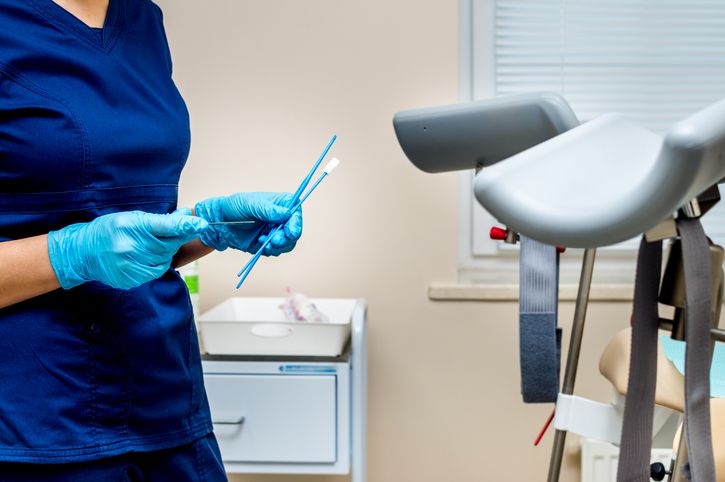
The test itself is quick, usually just a few minutes. You’ll lie back on the exam table, and the provider uses a smooth instrument called a speculum to gently open the vaginal walls so the cervix is visible. A small brush or spatula collects cells from the cervix, which usually feels like brief pressure or a light scrape rather than pain. That’s it.
Some people feel mild discomfort, and light spotting afterward is normal and typically stops within a day. It helps to avoid intercourse, douching, and vaginal products for a couple of days beforehand, and to schedule the test for a time when you’re not on your period, since blood can affect the sample.
Abnormal Pap Smear: What It Really Means
This is the part that causes the most worry, so it’s worth being clear: an abnormal Pap smear does not mean you have cancer. Most abnormal results are caused by HPV or minor infections, and many resolve on their own. Of the millions of people who get abnormal results each year, only a very small fraction turn out to have cervical cancer.
An abnormal result simply means some cervical cells looked different than expected. Common findings include:
- ASC-US (atypical squamous cells of undetermined significance), the most common result, meaning cells look slightly off but it’s unclear why. Often it’s from HPV, but it can also come from irritation, a yeast infection, or hormonal changes from pregnancy or menopause.
- LSIL and HSIL (low-grade and high-grade squamous intraepithelial lesions), which indicate more definite cell changes that warrant closer evaluation, with HSIL being the more significant of the two.
What happens next depends on the specific result and your age. Your provider might recommend an HPV test on the same sample, a repeat Pap in a year, or a closer look at the cervix with a procedure called colposcopy. The point of these steps is to monitor or address changes long before they could ever become cancer. An abnormal result is a reason to follow up, not a reason to panic.
Common Questions About Pap Smears
Does a Pap smear test for HPV or STIs?
Not automatically. A Pap smear looks at cervical cells, while an HPV test looks for the virus itself. They’re often done from the same sample, especially if you’re 30 or older, but they’re separate tests. And importantly, a Pap smear does not screen for other sexually transmitted infections like chlamydia, gonorrhea, or HIV. Those require their own tests, so if STI screening is something you want, ask for it specifically rather than assuming your Pap covers it.
Is a Pap smear painful?
For most people, no. It’s usually described as brief pressure or mild discomfort rather than pain, and it’s over in a couple of minutes. If you’ve found pelvic exams painful in the past, or you have a condition that makes them difficult, tell your provider ahead of time. There are ways to make the experience more comfortable, including using a smaller speculum and going at your pace.
Do I still need Pap smears if I got the HPV vaccine?
Yes. The HPV vaccine is highly effective and protects against the strains most likely to cause cervical cancer, but it doesn’t cover every high-risk strain, and it doesn’t replace screening. Vaccinated people should still follow the same screening schedule. The vaccine and regular Pap tests work together, and combining them is the most effective way to prevent cervical cancer.
Who Should Pay Extra Attention to Screening
Some situations call for closer follow-up or earlier attention:
- People who’ve had a previous abnormal Pap or a positive HPV test, who often need more frequent screening
- People with a weakened immune system, including those living with HIV or taking immunosuppressive medication
- People who are overdue or have never been screened, since most cervical cancers occur in this group
- People who’ve noticed symptoms like unusual bleeding, bleeding after sex, or unusual discharge, which are worth evaluating regardless of when your last screening was
What Often Gets in the Way
The most common reason people fall behind on Pap smears isn’t disagreement with the guidelines. It’s that life gets busy, the test feels easy to postpone, or past discomfort makes it something to avoid. If cost or coverage is the barrier, it’s worth knowing that most insurance plans cover cervical cancer screening as preventive care, and our staff can help verify your benefits before your visit. A test that takes a couple of minutes is genuinely one of the best-value things you can do for your long-term health.
Schedule Your Pap Smear
If you’re due for a Pap smear, unsure when your last one was, or have questions about a result, that’s exactly what a women’s care provider is here for. Complete Healthcare offers gynecology care with same-day appointments available across our 11 locations in Central Ohio, including Columbus, Pickerington, Newark, Lancaster, Marion, Marysville, and Delaware. Call us at 614-882-4343 or schedule online to get started.
