

Complete Healthcare Team
Flu season sneaks up on people every year. Activity in the United States can start as early as October and usually peaks between December and February, which means the time to prepare is before you or your kids start getting sick, not after. A little preparation now, especially getting your flu shot, is what keeps a rough season from derailing your winter.
The good news is that preparing is straightforward, and most of it comes down to a few high-impact steps. The primary care team at Complete Healthcare helps patients get ready for respiratory virus season every year, and this guide covers when cold and flu season actually runs, why the flu shot matters, what side effects to expect, and the everyday habits that lower your risk.
When Is Cold and Flu Season?
In the US, flu season doesn’t follow an exact calendar, but it has a reliable rhythm. Flu activity often begins ramping up in October, tends to peak in the heart of winter between December and February, and can linger into April or May. Common colds circulate year-round but also rise in the colder months.
Why the overlap with cold weather? People spend more time indoors and in close contact, which makes respiratory viruses easier to spread. That’s exactly why preparing early matters. Building your defenses before the peak gives them time to work, rather than scrambling once illness is already going around.
Get Your Flu Shot, Ideally by the End of October
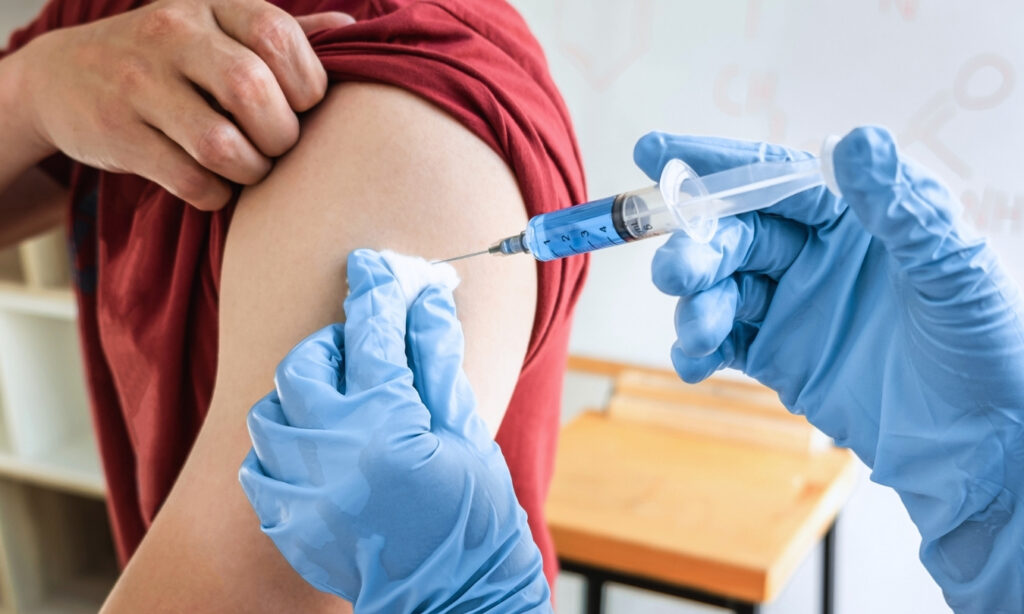
The single most effective step you can take is an annual flu vaccine. The CDC recommends that everyone 6 months and older get a flu vaccine every season, with rare exceptions, and that September and October are generally the best time to do it. Ideally, you’d be vaccinated by the end of October, since it takes about two weeks after the shot for your body to build full protection.
The flu vaccine is especially important for people at higher risk of serious complications, including adults 65 and older, pregnant people, young children, and anyone with a chronic condition like asthma, diabetes, or heart disease. The flu shot won’t guarantee you avoid every bug this winter, but clinical evidence consistently shows it reduces your risk of getting the flu and makes illness milder if you do catch it. Even in a year when the vaccine is a less exact match, that reduction in severity is a meaningful benefit.
If you missed October, it is absolutely still worth getting vaccinated. As long as flu viruses are circulating, which is often well into spring, the shot can still help.
Flu Vaccine Side Effects: What’s Normal and What’s Not
Concern about side effects keeps some people from getting vaccinated, so it’s worth being clear about what to expect. According to the CDC, the common side effects of the flu shot are mild and short-lived, usually lasting a day or two:
- Soreness, redness, or swelling where the shot was given
- Headache
- Low-grade fever
- Muscle aches
- Nausea or fatigue
These are signs your immune system is responding, not signs of illness. One of the most persistent myths is that the flu shot can give you the flu. It can’t. The shot is made with inactivated (killed) virus or no virus at all, so it cannot cause an infection. If someone gets sick shortly after their shot, it’s usually because they were exposed before the vaccine had time to work, or they caught a different virus the vaccine doesn’t cover. Serious reactions are rare, and for the vast majority of people the brief soreness is a very small tradeoff.
Everyday Habits That Lower Your Risk
Vaccination works best alongside the basics, which reduce how often you get sick and how easily you spread illness to others:
- Wash your hands often with soap and water, especially before eating and after being in public spaces.
- Prioritize sleep. Consistent, adequate rest is one of the most underrated supports for your immune system.
- Stay hydrated and eat well, since your body fights off illness better when it’s well-nourished.
- Keep high-touch surfaces clean and avoid close contact with people who are sick.
- Stay home when you’re sick to recover faster and protect everyone around you.
For a deeper look at the daily choices that keep your defenses strong, our guide to supporting your immune system goes further than we can here.
Build a Simple Home Wellness Kit
Having the basics on hand means you’re not making a pharmacy run while feeling miserable. A simple kit includes a thermometer, fever reducers like acetaminophen or ibuprofen, tissues, a cough and cold remedy, and plenty of fluids and electrolyte drinks. In our practice, we find patients recover more comfortably when they’ve stocked these ahead of time rather than waiting until symptoms hit.
Common Questions About Cold and Flu Season
Is it too late to get a flu shot if I wait past October?
No. While the end of October is the ideal target, getting vaccinated later still offers real protection because flu typically circulates through the winter and often into spring. A later shot is far better than no shot. We’d much rather vaccinate you in December or January than have you skip it entirely.
How can I tell the difference between a cold and the flu?
The flu tends to come on suddenly and hit harder, with fever, body aches, and exhaustion, while a cold usually develops gradually with milder symptoms like a runny nose and sore throat. That said, they can overlap, and some respiratory viruses look similar. If symptoms are severe, you’re in a higher-risk group, or you’re not improving, it’s worth getting checked rather than guessing.
Does insurance cover the flu shot?
Usually, yes. Most insurance plans, including Medicare and plans under the Affordable Care Act, cover the annual flu vaccine at no cost as preventive care. Coverage specifics still vary by plan, so if you’re unsure, our staff can help you verify your benefits before your visit.
Get Ready for the Season at CHC
A little preparation goes a long way toward a healthier winter, and getting your flu shot is the best place to start. If you’re due for a flu vaccine, a preventive checkup, or you’ve got questions about managing a chronic condition through the colder months, we’re here to help. Complete Healthcare offers primary care with same-day appointments available across our 11 locations in Central Ohio, including Columbus, Pickerington, Newark, Lancaster, Marion, Marysville, and Delaware. Call us at 614-882-4343 or schedule online to get started.
