

Complete Healthcare Team
Show content
- What a physical exam actually is
- Step one: check-in, history, and vital signs
- Step two: the head-to-toe exam
- Step three: labs, screenings, and vaccines
- Step four: the wrap-up conversation
- Three questions we hear about physical exams
- How should I prepare for a physical exam?
- What is the difference between a physical and a regular doctor’s visit?
- Does insurance cover a physical exam, and where can I get one near me?
- Who should schedule one
- Ready to schedule your physical?
If it has been a while since your last checkup, some of the uncertainty is probably about the appointment itself. What will they actually do? How long does it take? Do I need to prepare? A physical exam is one of the most routine things a primary care office does, and knowing how it goes tends to take the edge off. Here is what a physical exam is, step by step, so you know exactly what to expect before you walk in.
What a physical exam actually is
A physical exam, also called an annual physical, wellness visit, or checkup, is a routine appointment where a primary care provider reviews your overall health. It combines a conversation about your history and how you are feeling with a hands-on head-to-toe assessment and, usually, some basic lab work. The goal is to establish a baseline and track changes over time, which is a big part of why preventive care matters even when you feel fine.
Step one: check-in, history, and vital signs
Your visit usually starts before you even see the provider. A nurse or medical assistant checks you in, asks whether anything has changed in your health history or medications, and records your height, weight, and vital signs. Those vital signs are four quick measurements that flag a lot:
- Blood pressure, where below 120/80 mm Hg is considered normal.
- Heart rate, typically 60 to 100 beats per minute at rest.
- Respiratory rate, usually 12 to 16 breaths per minute.
- Temperature.
These numbers matter most as a trend. A single reading is a snapshot, but year over year they tell your provider a story, which is one reason keeping the appointment annually is useful.
Step two: the head-to-toe exam
This is the hands-on part, and providers generally work systematically from head to toe. It is not painful, though pressing on the abdomen can feel slightly odd. A standard adult exam usually includes:
- Head and neck: looking in your eyes, ears, nose, and throat, and feeling your neck for swollen lymph nodes or thyroid changes.
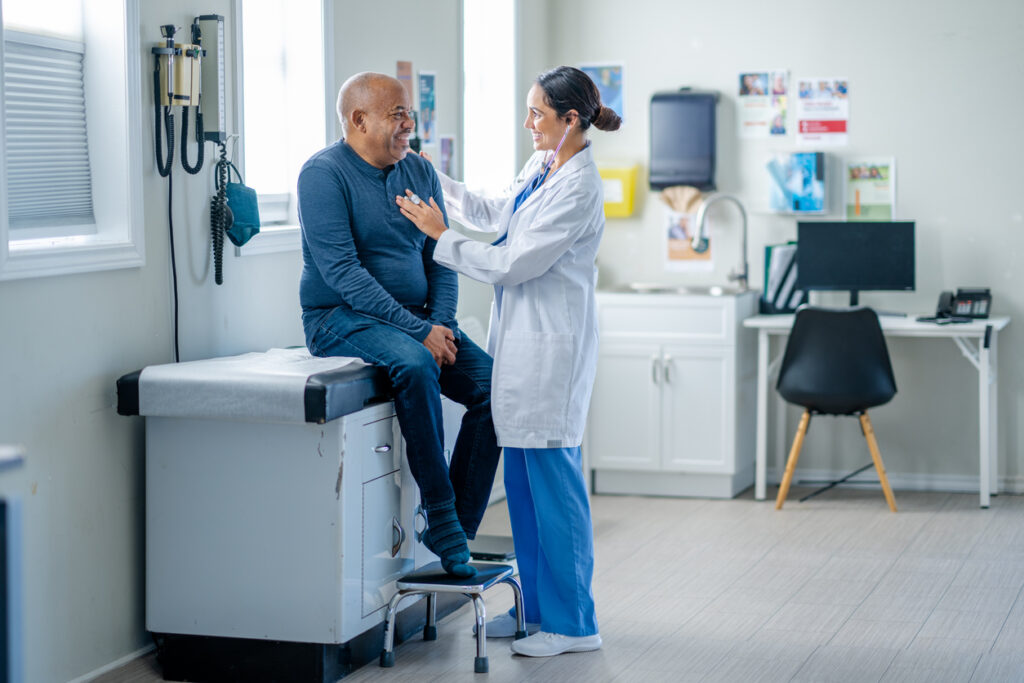
- Heart and lungs: listening with a stethoscope for irregular rhythms, murmurs, or abnormal breath sounds.
- Abdomen: pressing gently to check for tenderness, organ size, or anything unusual.
- Skin: looking for moles or changes worth watching.
- Musculoskeletal and neurological: checking reflexes, strength, range of motion, and sensation as needed.
The hands-on exam itself is quick, often 15 to 20 minutes. Throughout it, your provider will ask questions that may feel random but are deliberate, working through the body’s systems to prompt anything you might not have thought to mention.
Step three: labs, screenings, and vaccines
Most physicals include bloodwork, and the common panels are straightforward. A complete blood count (CBC) looks at your red and white blood cells and platelets. A comprehensive metabolic panel (CMP) checks kidney and liver function, blood sugar, and electrolytes. A lipid panel measures cholesterol and triglycerides. Your provider may also recommend age-appropriate screenings based on your risk factors rather than a one-size-fits-all list, update any vaccines you are due for, and check in on your mental health, which is a standard and important part of the visit.
Step four: the wrap-up conversation
The last few minutes are often the most valuable. Your provider will summarize what they found, flag anything to keep an eye on, and outline next steps if needed. This is your window to bring up whatever has been on your mind, a lingering symptom, a question about your family history, a new stressor, or something you read and wanted a professional opinion on. We tell our patients that the exam room is one of the few places where total honesty leads directly to better care, so it is worth being candid. If you have labs, results typically come back within a few days through the patient portal or a call.
Three questions we hear about physical exams
How should I prepare for a physical exam?
Bring a list of your medications, any records from specialists, your insurance card, and a written list of questions or concerns. If fasting bloodwork is planned, your office will tell you ahead of time, usually meaning nothing but water for several hours beforehand. Otherwise, no special preparation is needed.
What is the difference between a physical and a regular doctor’s visit?
A physical is a proactive, whole-health checkup done when you feel fine, focused on prevention and baselines. A regular or “sick” visit is problem-focused, addressing a specific symptom or concern. They serve different purposes, and many people need both over a year.
Does insurance cover a physical exam, and where can I get one near me?
Most insurance plans, including Medicare and Medicaid, cover a preventive annual exam at no out-of-pocket cost, though plan details vary. Any primary care provider can perform one, whether that is a physician, nurse practitioner, or physician assistant. Our staff can verify your benefits before your visit so there are no surprises.
Who should schedule one
Even if you feel completely well, a yearly physical is worth scheduling, because many conditions like high blood pressure, early diabetes, and high cholesterol produce no symptoms in their early stages. It is especially worth prioritizing if you have not established care with a provider, if your family history includes chronic conditions, or if it has simply been more than a year since your last visit. Establishing that relationship also means you have someone who knows your history the next time something actually comes up.
Ready to schedule your physical?
Knowing what to expect is the easy part. The next step is putting it on the calendar. Our primary care team can walk you through the full exam, order any appropriate labs and screenings, and answer whatever questions you bring. If insurance is a concern, our staff can verify your benefits first.
Complete Healthcare has same-day appointments available at locations across Central Ohio, including Columbus, Pickerington, Newark, Lancaster, Marion, Delaware, and more. Call us at 614-882-4343 or schedule online.
This article is for general educational purposes and is not a substitute for personalized medical advice. Your provider will tailor your exam to your age, history, and health needs.
