

Complete Healthcare Team
Show content
- What Spravato Is, Briefly
- The Most Common Spravato Side Effects
- Why Dissociation Happens and What It Feels Like
- The Serious Risks and Boxed Warnings
- Why You’re Monitored for Two Hours
- Common Questions About Spravato Side Effects
- How long do Spravato side effects last?
- Does the dissociation from Spravato get better over time?
- Can I take Spravato at home to avoid the clinic visits?
- Who Should Be Especially Cautious
- The Bigger Picture Worth Keeping in Mind
- Talk Through Whether Spravato Fits
The most talked-about side effect of Spravato is one that would be alarming with almost any other medication: a temporary sense of feeling disconnected from your body, thoughts, or surroundings. With Spravato, that dissociation is expected, closely monitored, and usually fades within a couple of hours. Understanding which side effects are normal, which are temporary, and why every dose happens under supervision takes a lot of the uncertainty out of deciding whether this treatment is right for you.
Spravato is a genuinely different kind of depression treatment, and its side effect profile reflects that. The mental health team at Complete Healthcare works with patients considering it, and this guide covers the common side effects, the serious risks worth understanding, and what the required monitoring is actually for.
What Spravato Is, Briefly
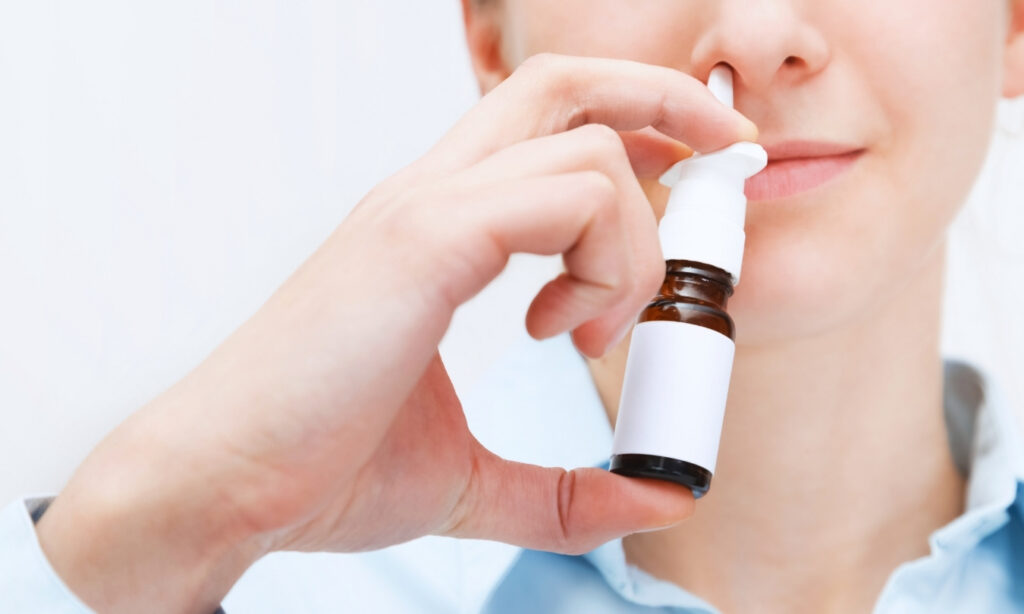
Spravato is the brand name for esketamine, a nasal spray derived from ketamine. The FDA approved it in 2019 for treatment-resistant depression in adults, and later for depressive symptoms in adults with major depressive disorder who have acute suicidal thoughts or behavior. It’s used alongside an oral antidepressant, not on its own, and it works differently from standard antidepressants by acting on the brain’s glutamate system rather than serotonin.
It’s also a Schedule III controlled substance, which is part of why it comes with a structured safety program. That structure directly shapes the side effect experience, as you’ll see.
The Most Common Spravato Side Effects
Most side effects happen on the day of dosing, begin shortly after the spray is taken, and resolve within the same session or by the end of the day. According to the manufacturer’s safety data, the most common adverse reactions include:
- Dissociation, a temporary feeling of being detached from yourself, your surroundings, or time. This is the hallmark effect, reported by a majority of patients in trials, and it typically peaks around 40 minutes and eases within about 1.5 hours.
- Dizziness
- Nausea, and sometimes vomiting
- Sedation or drowsiness, sometimes significant
- Vertigo, a spinning sensation
- Increased blood pressure, usually temporary and peaking shortly after dosing
- Headache
- Anxiety
- A numb sensation in the mouth or throat from the nasal spray
- Feeling “drunk” or a distorted sense of time and space
One reassuring pattern from the research: these effects tend to lessen with continued treatment, and they’re tied to the day of dosing rather than building up between sessions. In long-term studies, the side effects at years into treatment were the same temporary ones people notice early on.
Why Dissociation Happens and What It Feels Like
Because dissociation is the effect people worry about most, it’s worth explaining plainly. It can involve a distorted sense of time and space, a feeling of unreality, or a sense of being separated from your own body. For some people it’s mildly disorienting. Others describe it as neutral or even a meaningful part of the experience.
What matters is that it’s temporary and predictable. It starts within minutes, peaks around 40 minutes, and generally resolves within an hour and a half. In our practice, we prepare patients for this ahead of time, because knowing it’s coming and knowing it will pass makes a real difference in how it feels.
The Serious Risks and Boxed Warnings
Being honest about the more serious risks matters here. Spravato carries FDA boxed warnings, the agency’s most prominent safety alert, for several things:
- Sedation and dissociation, which is why in-office monitoring is required
- Respiratory depression (slowed breathing), which is rare but has occurred, and is more likely if Spravato is combined with alcohol, benzodiazepines, or opioids
- Potential for abuse and misuse, since it’s derived from ketamine
- Increased risk of suicidal thoughts and behaviors in people under 25, a warning shared by antidepressants generally
These warnings aren’t a reason to rule the treatment out. They’re the reason the monitoring structure exists, and that structure is designed to catch and manage these risks in real time.
Why You’re Monitored for Two Hours
Spravato isn’t a prescription you fill and take at home. Because of the risks above, it’s only available through a restricted FDA program called the Spravato REMS, which requires that every dose be given in a certified healthcare setting. You take the nasal spray under supervision and stay to be monitored for at least two hours afterward.
During that window, your provider checks your blood pressure and watches for sedation and dissociation until you’re stable enough to leave. You can’t drive afterward, so you’ll need a ride home, and it’s generally recommended to plan the rest of your day around resting. This is standard for everyone, every session, regardless of how long you’ve been in treatment.
Common Questions About Spravato Side Effects
How long do Spravato side effects last?
For most people, the noticeable effects are limited to the treatment session and the hours right after. Dissociation and sedation typically resolve within about two hours, which is why the monitoring period is set where it is. Nausea, dizziness, and headache may linger a bit longer into the day but usually clear by the next morning. Because effects are tied to dosing day rather than accumulating, most people feel back to baseline before their next session.
Does the dissociation from Spravato get better over time?
For many people, yes. Research shows dissociation and several other side effects tend to decrease with repeated dosing as the body adjusts. It also becomes more predictable, which many patients find makes it easier to manage even when it does occur. If side effects remain difficult, your provider can sometimes adjust the dose.
Can I take Spravato at home to avoid the clinic visits?
No, and this is important. Spravato can only be administered in a certified healthcare setting under the REMS program, specifically because of the risks of sedation, dissociation, and respiratory depression that need professional monitoring. The in-office requirement isn’t red tape. It’s a core safety feature, and it’s non-negotiable under the FDA’s rules.
Who Should Be Especially Cautious
Spravato isn’t right for everyone, and some situations call for extra care or make it unsuitable:
- People with certain cardiovascular conditions, since Spravato can temporarily raise blood pressure, including those with a history of aneurysm or recent heart attack or stroke
- People who are pregnant or breastfeeding, since it may cause fetal harm and is not recommended
- People with a history of substance misuse, given its potential for misuse, though this warrants a careful conversation rather than an automatic no
- People taking CNS depressants like benzodiazepines, opioids, or alcohol, which raise the risk of sedation and breathing problems
A thorough review of your health history is part of determining whether Spravato is a safe fit.
The Bigger Picture Worth Keeping in Mind
For people living with treatment-resistant depression, meaning depression that hasn’t responded to other antidepressants, Spravato offers a different mechanism of action when other options haven’t worked. The side effects are real and worth understanding, but they’re also largely temporary, closely monitored, and manageable for many people. Weighing them against the potential benefit is a personal decision, and it’s one best made with a provider who can look at your full situation.
Talk Through Whether Spravato Fits
If you’re considering Spravato or want to understand whether it might be an option for depression that hasn’t responded to other treatments, a conversation with a mental health provider is the place to start. Complete Healthcare offers mental health care with same-day appointments available across our 11 locations in Central Ohio, including Columbus, Pickerington, Newark, Lancaster, Marion, Marysville, and Delaware. Call us at 614-882-4343 or schedule online to talk it through.
If you are having thoughts of harming yourself, help is available right now. Call or text 988 to reach the Suicide and Crisis Lifeline, any time of day.
