

Complete Healthcare Team
Many of the symptoms that send women to an endocrinologist get brushed off for years, written off as stress, aging, or just being tired. Persistent fatigue, unexplained weight changes, irregular periods, and mood shifts are easy to rationalize, but they can also be signs of a hormonal condition that’s very treatable once it’s identified. Knowing which symptoms are worth taking seriously, and which conditions tend to bring women to a hormone specialist, can save you years of feeling off without answers.
An endocrinologist is a physician who specializes in the endocrine system, the network of glands that produce the hormones regulating metabolism, reproduction, mood, and much more. If you’d like a fuller explanation of what these specialists do, our overview of what an endocrinologist is covers it in depth. This post focuses on the specific question women ask most: when is it time to actually see one?
Symptoms That Are Worth Getting Checked
Hormonal conditions tend to show up through patterns of symptoms rather than a single dramatic sign. Individually, any of these can have an ordinary explanation. Several together, or any one that persists, is worth raising with a provider:
- Persistent fatigue that doesn’t improve with rest
- Unexplained weight gain or weight loss
- Irregular, absent, or unusually heavy periods
- Difficulty getting pregnant after several months of trying
- Excess hair growth on the face or body, or thinning scalp hair
- Persistent acne beyond the teenage years
- Mood changes, including new anxiety or low mood
- Feeling unusually hot or cold compared to the people around you
- Rapid or irregular heartbeat, or trouble sleeping
- Increased thirst, frequent urination, or unexplained changes in appetite
- Changes in skin, such as new darkening in body folds
A useful way to think about it: your primary care provider is almost always the right first stop, and many hormonal issues can be diagnosed and managed there. A referral to an endocrinologist tends to make sense when the picture is more complex, when symptoms are severe, or when standard treatment isn’t bringing things under control. In our practice, we often start this evaluation in primary care and bring in specialist care when the situation calls for it.
The Conditions That Most Often Bring Women to an Endocrinologist
Thyroid Disorders
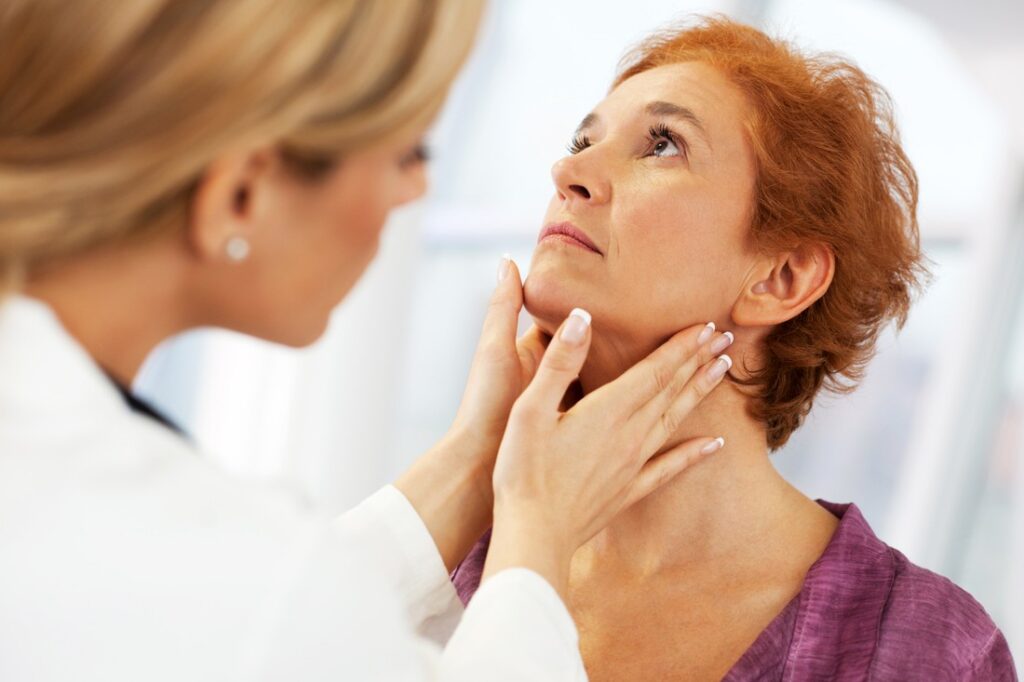
The thyroid is one of the most common reasons women end up seeing an endocrinologist, and for good reason. Thyroid dysfunction is 5 to 10 times more common in women than in men. The two main categories are hypothyroidism (an underactive thyroid, which tends to cause fatigue, weight gain, cold sensitivity, and low mood) and hyperthyroidism (an overactive thyroid, which tends to cause weight loss, rapid heartbeat, anxiety, and heat sensitivity).
Autoimmune thyroid conditions are also more common in women, including Hashimoto’s thyroiditis (a frequent cause of hypothyroidism) and Graves’ disease (a frequent cause of hyperthyroidism). Thyroid nodules and goiter, which are structural changes in the gland, are another reason for referral, since they sometimes need imaging or a biopsy to evaluate. Many thyroid conditions are managed well with medication, but getting the diagnosis and the dose right is where a specialist often helps.
Polycystic Ovary Syndrome (PCOS)
PCOS is one of the most common hormonal disorders in women of reproductive age, affecting an estimated 6 to 13 percent depending on the criteria used, and a large share of cases go undiagnosed. It’s diagnosed when at least two of three features are present: irregular or absent ovulation, signs of elevated androgens (such as excess hair growth or acne), and polycystic ovaries on ultrasound.
What makes PCOS a frequent endocrinology referral is that it’s not only a reproductive condition. It’s a metabolic one. Many women with PCOS have insulin resistance, which raises the long-term risk of type 2 diabetes and cardiovascular disease. A gynecologist often manages the reproductive side, including cycle regulation and fertility, while an endocrinologist tends to focus on the metabolic and hormonal picture. Many women benefit from both, and we frequently help patients coordinate that care rather than navigate it alone.
Diabetes and Blood Sugar Problems
Endocrinologists specialize in diabetes, including type 1, type 2, and gestational diabetes (diabetes that develops during pregnancy). A referral is common when blood sugar is difficult to control, when someone is newly diagnosed and needs help building a plan, or when complications develop. Symptoms worth attention include increased thirst, frequent urination, unexplained weight loss, blurred vision, and persistent fatigue.
Bone and Calcium Conditions
Women are at higher risk of osteoporosis, particularly after menopause, when dropping estrogen accelerates bone loss. Endocrinologists also treat parathyroid and calcium disorders, which can cause fatigue, bone pain, kidney stones, and other symptoms. A bone density screening is generally recommended starting at age 65, or earlier with risk factors.
Reproductive and Menopausal Hormone Concerns
Some women see an endocrinologist for hormonal aspects of fertility, for very early or delayed puberty, or for difficult menopausal symptoms when standard approaches haven’t helped. There’s overlap with gynecology here, and which specialist leads often depends on whether the primary concern is reproductive or broadly hormonal and metabolic.
Common Questions About Seeing an Endocrinologist
Do I need a referral to see an endocrinologist?
It depends on your insurance plan. Many plans, particularly HMOs, require a referral from your primary care provider before they’ll cover a specialist visit, while others allow you to self-refer. Starting with primary care is usually a good idea regardless, because many hormonal conditions can be diagnosed there, and your provider can order initial labs and decide whether specialist care is warranted. Coverage varies by plan, and our staff can help verify your benefits before an appointment.
Should I see a gynecologist or an endocrinologist for PCOS?
Often the answer is both, and which one you start with depends on your main concern. If your priority is regulating your cycle or addressing fertility, a gynecologist is a natural starting point. If the metabolic side is more pressing, such as insulin resistance, weight changes, or diabetes risk, an endocrinologist’s expertise is especially valuable. The two types of care complement each other, and there’s no wrong door to start with.
What will happen at my first endocrinology appointment?
Expect a thorough conversation about your symptoms, medical history, family history, and medications, along with a physical exam. The specialist will likely order blood work to measure hormone levels, and sometimes imaging such as an ultrasound. Hormonal conditions often take more than one visit to fully sort out, because diagnosis frequently depends on lab results and how your body responds to initial treatment, so try not to be discouraged if you don’t leave with every answer the first day.
Who Should Pay the Closest Attention
A few groups have a higher likelihood of benefiting from hormonal evaluation:
- Women with a family history of thyroid disease, diabetes, or autoimmune conditions, which raise personal risk
- Women trying to conceive without success, where an underlying hormonal cause is often treatable
- Women in perimenopause or menopause with symptoms that are disrupting daily life
- Women already diagnosed with PCOS or a thyroid condition whose symptoms aren’t well controlled on current treatment
Why It’s Worth Not Waiting
Hormonal conditions rarely resolve on their own, and several of them, including thyroid disease, PCOS, and diabetes, carry long-term health risks when left unaddressed. The encouraging part is that most are very manageable once identified. The hardest step is usually the first one, which is taking persistent symptoms seriously enough to get them evaluated rather than continuing to explain them away.
Let’s Start With Getting Answers
If symptoms like fatigue, weight changes, irregular periods, or mood shifts have been wearing on you, a good first step is a conversation with a provider who can order the right labs and help you understand what’s going on. Complete Healthcare offers women’s care and primary care with same-day appointments available across our 11 locations in Central Ohio, including Columbus, Pickerington, Newark, Lancaster, Marion, Marysville, and Delaware. Call us at 614-882-4343 or schedule online to get started.
