

Complete Healthcare Team
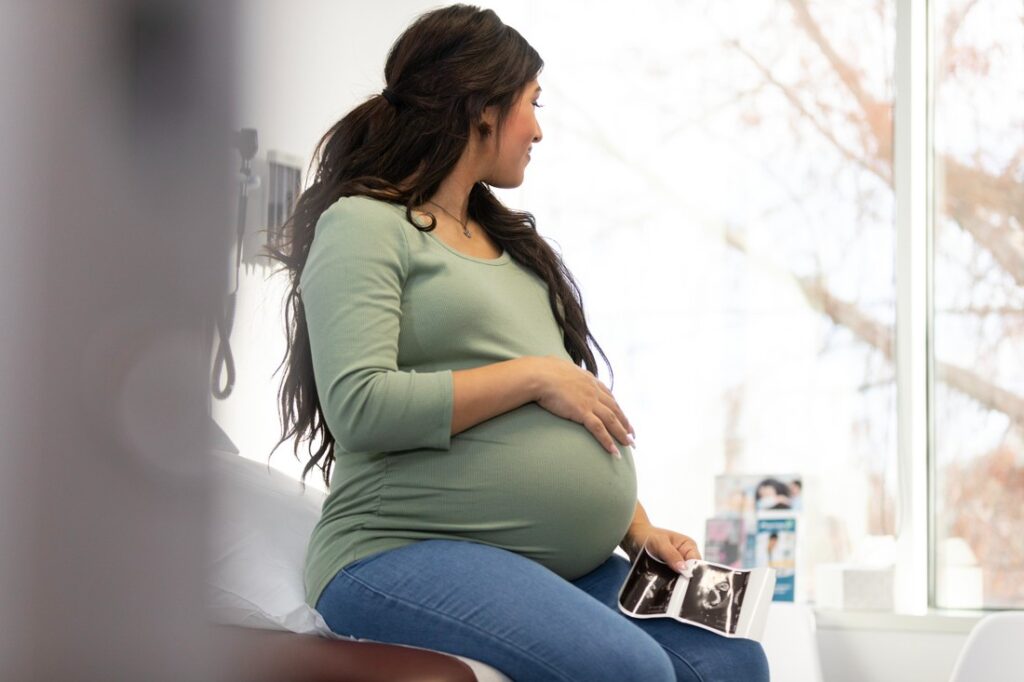
A healthy pregnancy isn’t built on one big decision. It’s built on a handful of everyday habits that add up over nine months: what you eat, how you move, how you manage discomfort, and how consistently you show up for prenatal care. None of it has to be complicated, and most of it is more flexible than the flood of pregnancy advice online makes it seem. Here’s a practical checklist of what actually matters, grounded in what major obstetric authorities recommend, so you can focus your energy where it counts.
Start and Stay With Prenatal Care
The single most protective thing you can do is keep regular prenatal appointments. These visits catch issues early, track your baby’s growth, and give you a consistent person to bring questions to. A typical schedule runs roughly every four weeks until 28 weeks, every two weeks until 36 weeks, and weekly after that, though your provider may tailor it to your situation.
If you’re newly pregnant or planning to be, getting in early matters. Many of the most important steps, including the right prenatal vitamin and a review of any medications you take, are most effective when started before or early in pregnancy. We see patients regularly who didn’t realize how much the first few weeks count, so if you’re reading this and haven’t booked yet, that’s the first box to check.
Nutrition: Eat for Health, Not for Two
The old “eating for two” idea oversells it. Most people need no extra calories in the first trimester and only about 300 extra calories a day in the second and third. What matters more than quantity is getting the right nutrients.
Key pieces to focus on:
- Folic acid. Get at least 400 micrograms daily before pregnancy and 600 micrograms during pregnancy, since it helps prevent serious birth defects of the brain and spine. A daily prenatal vitamin is the easiest way to cover this.
- Iron (27 mg). Supports the extra blood your body makes to carry oxygen to your baby.
- Calcium (1,000 mg) and vitamin D (600 IU). Build your baby’s bones and teeth while protecting yours.
- Choline and omega-3s (DHA). Support brain development.
- Protein, whole grains, fruits, and vegetables. The foundation of a nutrient-dense diet.
A daily prenatal vitamin fills the gaps, but it isn’t a substitute for food. One important caution: don’t double up on prenatal vitamins to make up for a missed day, because too much of certain nutrients, like vitamin A, can cause harm. Aim for 8 to 12 cups of water a day, and take your vitamin with food to ease nausea. For a deeper look at building meals around these nutrients, see our full guide to nutrition during pregnancy.
Exercise: Movement Is Protective, Not Risky
For most people with an uncomplicated pregnancy, exercise is safe and genuinely beneficial. ACOG and the U.S. Department of Health and Human Services recommend at least 150 minutes of moderate-intensity activity per week, which breaks down to about 30 minutes a day, five days a week. Walking counts.
Regular activity during pregnancy has been shown to help with energy, mood, sleep, and many of the common discomforts, and it may lower the risk of gestational diabetes and preeclampsia. Good options include walking, swimming, stationary cycling, prenatal yoga, and light strength training. A few sensible cautions: avoid contact sports, activities with a high fall risk, and lying flat on your back for extended periods after about 20 weeks. If you weren’t active before pregnancy, start with a few minutes a day and build gradually. Our guide to safe exercise during pregnancy covers how to adjust by trimester.
Always check with your provider first, since some conditions do make certain activity unsafe. That’s the honest caveat: exercise is right for most pregnancies, not all of them.
Pain Relief: Know What’s Safe Before You Reach for It
Aches and pains are part of pregnancy for almost everyone, but not every remedy is safe, and this is an area where guessing can carry real risk.
Acetaminophen (Tylenol) is the first-choice over-the-counter pain reliever during pregnancy, recommended by ACOG across all trimesters when used as directed. Use the lowest effective dose for the shortest time, and check with your provider.
NSAIDs like ibuprofen (Advil, Motrin) and naproxen (Aleve) are generally not recommended. The FDA advises avoiding NSAIDs at 20 weeks and later, because they can cause low amniotic fluid and fetal kidney problems. ACOG advises against them in pregnancy generally unless specifically recommended by your ob-gyn. One exception is low-dose aspirin (81 mg), which providers sometimes prescribe to lower preeclampsia risk.
For common complaints like back pain, non-medication approaches are often the safest first step: prenatal stretches, proper body mechanics, supportive footwear, heat, prenatal massage, and strengthening exercises. Our guide to managing back pain during pregnancy walks through these in more detail. If pain is severe or persistent, that’s worth a conversation rather than a heavier dose, since unmanaged pain has its own risks.
Substances to Stop: The Non-Negotiable List
Some things are clear-cut. There is no known safe level of alcohol, tobacco, or recreational drug use during pregnancy, and quitting at any point helps. The same goes for cannabis, which is increasingly common but not considered safe in pregnancy. Certain prescription medications also need review.
This is an area where honesty with your provider matters more than anything. If stopping a substance feels difficult, that’s a medical issue, not a moral one, and it’s one we treat without judgment. We’ve provided addiction treatment in Central Ohio for over 30 years, including coordinated care for people who are pregnant, because untreated substance use during pregnancy carries far greater risk than seeking help does. If this is part of your situation, please tell your care team so they can build the safest possible plan with you.
Common Questions About a Healthy Pregnancy
How much weight should I gain during pregnancy?
It depends on your weight before pregnancy. General guidance from ACOG and the National Academy of Medicine suggests roughly 25 to 35 pounds for someone at a typical pre-pregnancy weight, with different ranges for those who started underweight or above a healthy weight. Your provider will give you a target based on your specific situation. Gaining too much or too little both carry risks, so this is worth discussing rather than guessing.
Is it safe to have caffeine while pregnant?
Moderate caffeine is generally considered acceptable. Most guidance puts the limit at about 200 milligrams a day, roughly one 12-ounce cup of coffee. Beyond that, it’s reasonable to cut back, and remember that tea, soda, and chocolate add to the daily total.
What foods should I avoid during pregnancy?
The main ones are raw or undercooked meat, poultry, eggs, and seafood; high-mercury fish like shark, swordfish, king mackerel, and tilefish; unpasteurized dairy and juices; and deli meats unless heated until steaming. These carry a higher risk of foodborne illness or, in the case of high-mercury fish, can affect fetal development. Lower-mercury fish like salmon and sardines are not only safe but encouraged, about 2 to 3 servings a week.
Where to Focus by Trimester
A quick orientation on what tends to matter most when:
- First trimester: Lock in prenatal care, start your prenatal vitamin with folic acid, stop unsafe substances, and manage nausea. Energy is often low, so be gentle with yourself.
- Second trimester: Often the most comfortable stretch. A good time to establish an exercise routine and stay on top of nutrition as your appetite returns.
- Third trimester: Comfort and preparation. Back pain and sleep disruption are common, so safe pain management and good body mechanics become more important, along with planning for delivery.
One Thing That Matters More Than the Checklist
No pregnancy is a perfect execution of every guideline, and it doesn’t need to be. The goal isn’t flawlessness, it’s consistency over time and an honest, open relationship with your care team. The patients who do best aren’t the ones who never slip up. They’re the ones who stay engaged, ask questions, and bring concerns forward early rather than worrying alone.
Care for Every Stage of Your Pregnancy
Whether you’re planning a pregnancy, newly expecting, or partway through, having a care team you trust makes all of this easier to navigate. Complete Healthcare offers women’s care with same-day appointments available across our 11 locations in Central Ohio, including Columbus, Pickerington, Newark, Lancaster, Marion, Marysville, and Delaware. Call us at 614-882-4343 or schedule online to get started.
