

Complete Healthcare Team
Show content
As fall approaches, unpredictable weather, seasonal illnesses, and other emergencies can create challenges for individuals and families alike. Being prepared with a well-stocked emergency kit that includes medications, essential supplies, and vital health records is key to maintaining health and safety during unexpected situations.
Medications
A top priority in any emergency kit is prescription and over-the-counter medications. Patients managing chronic conditions such as diabetes, hypertension, or heart disease should ensure they have an adequate supply of medications to last several days. Keeping a list of all current prescriptions, including dosage instructions and prescribing physician information, helps prevent interruptions in treatment and allows emergency responders or temporary caregivers to provide proper support if needed.
Over-the-counter medications for pain, allergies, or cold and flu symptoms are also essential. Fall often brings seasonal illnesses, and having these medications on hand can reduce complications or discomfort. Including medications for children, seniors, and anyone with specific health needs ensures the kit is comprehensive and ready for the whole household.
Supplies
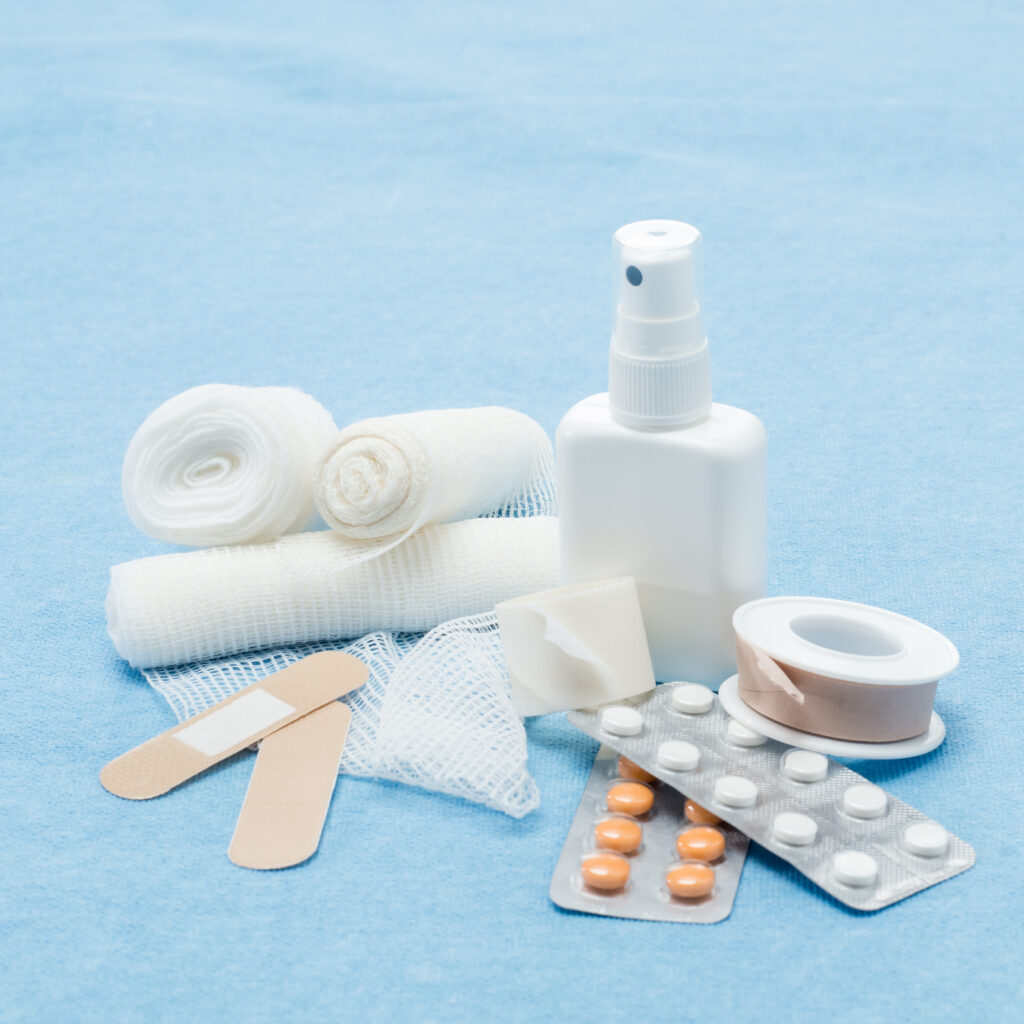
Beyond medications, a fall emergency kit should include basic medical supplies such as bandages, antiseptics, thermometers, and gloves. Individuals should also think through potential scenarios and include items that meet daily health requirements. For example, those who rely on mobility aids, oxygen, or other medical equipment should include batteries, backup devices, or spare parts to maintain functionality during emergencies.
Other essential supplies include non-perishable food, water, blankets, and flashlights. These items support general health and safety during power outages, road closures, or extreme weather. By assembling a kit that covers both medical and general emergency needs, individuals can maintain their well-being even in challenging circumstances.
Health Records
An often-overlooked component of emergency preparedness is maintaining accessible health records. Keeping medical histories, vaccination records, and insurance information in a secure, portable format enables healthcare providers to make informed decisions quickly during an emergency. Whether stored digitally on a secure device or in a waterproof binder, having these records readily available ensures consistent care.
For patients undergoing treatment for chronic conditions or participating in recovery programs, including detailed care plans and emergency contacts can make a significant difference. This information helps caregivers, medical personnel, or temporary facilities provide effective care, reducing stress and potential complications.
Tips for Organizing Your Fall Emergency Kit
Review and update emergency kits at the start of each season. Check medications for expiration dates and replenish supplies as needed. Organizing items by category, medications, first aid, personal care, and documents, makes it easier to locate essentials quickly.
Additionally, households should communicate with family members about the kit’s contents and location. Involving everyone ensures that each person knows how to access necessary items and supports a coordinated response in the event of an emergency.
Partnering With Healthcare Professionals
Complete Healthcare’s Newark office encourages patients to view emergency preparedness as an ongoing process rather than a one-time task. By including medications, essential supplies, and up-to-date health records in a fall emergency kit, individuals can maintain safety, continuity of care, and peace of mind. Being proactive this fall ensures that health needs are met efficiently and safely, even during unexpected events.