

Complete Healthcare Team
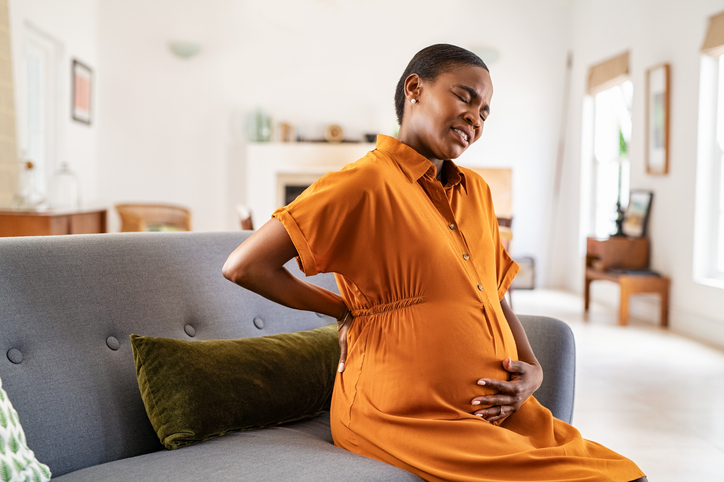
Back pain during pregnancy is common enough that many people assume they just have to endure it. That is only half true. It is common, with a global review finding that about 40% of pregnant people report back pain, and the rate climbs through pregnancy to roughly 48% in the third trimester. But common does not mean you have to suffer through it, and it does not mean every ache should be ignored, because occasionally back pain is a signal of something that needs attention. Here is when it usually starts, why it happens in the upper or lower back, what actually helps, and when to call your provider.
When back pain usually starts
There is no single start date, but for most people back pain shows up in the second half of pregnancy, often between the fifth and seventh months, as the belly grows and posture shifts. That said, it can begin earlier. The same global data shows back pain affecting more than a quarter of people even in the first trimester, so early back pain is not unusual or a sign that something is wrong. It tends to intensify as pregnancy progresses and the physical demands increase, which is why the third trimester is when it peaks.
Why it happens: lower back versus upper back
Understanding the cause helps you target relief, and the reasons differ a bit by location.
Lower back pain is the most common and comes from a combination of factors working together. During pregnancy your body produces more relaxin, a hormone that loosens the ligaments and joints of your pelvis to prepare for childbirth, per ACOG. Looser joints can become less stable and ache. At the same time, your growing uterus shifts your center of gravity forward, your posture adjusts to compensate, and your abdominal muscles stretch and weaken, leaving your back muscles to do more of the work of holding you up. Added weight over the pregnancy compounds all of it.
Upper back pain is less discussed but real. As the pregnancy advances, the breasts enlarge and grow heavier, which pulls the shoulders forward and strains the upper back and neck. Later on, the same postural changes that affect the lower back ripple upward. Hormonal joint laxity plays a role here too.
What actually helps ease the pain
Most pregnancy back pain responds to movement, posture, and support rather than medication. These are the measures with the best evidence and the ones we most often walk patients through:
- Stay active with safe exercise. ACOG notes that staying active can reduce back pain, and gentle strengthening and stretching help. Walking is generally safe throughout pregnancy, and water exercise is especially good because the water supports your weight and takes strain off your back.
- Try gentle stretches. Pelvic tilts and the cat-cow stretch, done on your hands and knees, can relieve lower back tension. Stop any exercise that causes pain.
- Mind your posture. Stand tall rather than letting the belly pull you forward, and if you have to stand a while, rest one foot on a low stool to take pressure off your lower back.
- Support your back and body. Wear low-heeled shoes with good arch support, not flats or heels, and consider a maternity support band. Sleep on your side with a pillow between your knees.
- Use heat or cold. A warm compress or cold pack on the sore area can soothe muscle tension.
- Lift carefully. Bend at the knees, not the waist, and avoid twisting.
Before starting any new exercise routine, it is worth checking with your provider to make sure it is right for your pregnancy.
Three questions we hear about pregnancy back pain
Is back pain an early sign of pregnancy?
It can be, though it is far more common later on. Early back pain is usually mild and tied to the same hormonal and postural changes, and on its own, it is not a reliable sign of pregnancy. If you are tracking early symptoms, back pain is a weak signal compared to a missed period or a test.
Can I take anything for back pain while pregnant?
This is a conversation to have with your provider rather than a decision to make from a search result, because what is appropriate depends on your pregnancy and your health history. In our practice, we start with the movement, posture, and support strategies above, and your provider can advise on anything beyond that. Do not start a new medication for back pain in pregnancy without checking first.
When should the pain worry me?
Most pregnancy back pain is musculoskeletal and not dangerous. But back pain can also be a sign of a complication, so contact your provider promptly if your back pain is severe, is sharp or one-sided in your flank between your ribs and hip, comes with fever or burning urination, which can point to a urinary tract infection, or comes in a rhythmic or cramping pattern, which can be a sign of preterm labor. When in doubt, call. It is always reasonable to have it checked.
Who tends to need more help with this
Some people are more likely to have significant pregnancy back pain, including those who had back pain before pregnancy or in a previous pregnancy, those carrying more weight, and those whose work involves a lot of standing or lifting. If that describes you, it is worth raising early with your provider rather than waiting until the pain is limiting your day, since starting supportive strategies sooner tends to work better. If pain becomes persistent, your provider may recommend physical therapy.
Let’s help you feel more comfortable
Back pain is one of the most common parts of pregnancy, and you do not have to just tough it out or guess at what is safe. Our women’s care team can help you sort ordinary pregnancy aches from anything that needs a closer look, suggest safe relief tailored to your pregnancy, and connect you with physical therapy if you need it. If insurance is a concern, our staff can verify your benefits before your visit.
Complete Healthcare has same-day appointments available at locations across Central Ohio, including Columbus, Pickerington, Newark, Lancaster, Marion, Delaware, and more. Call us at 614-882-4343 or schedule online.
This article is for general educational purposes and is not a substitute for personalized medical advice. If you are pregnant and have back pain that concerns you, reach out to your provider.
