

Complete Healthcare Team
Show content
Managing diabetes is not only about controlling blood sugar levels, but it also plays a vital role in supporting overall health and long-term recovery. For individuals navigating recovery from substance use disorders or managing other chronic conditions, effective diabetes care can strengthen physical stability, emotional balance, and daily functioning. When diabetes management is integrated into a broader recovery plan, patients are better positioned to rebuild their health and maintain lasting wellness.
How Diabetes Impacts Recovery
Diabetes affects how the body converts food into energy, either because the pancreas does not produce enough insulin or because the body does not use insulin efficiently. Without proper management, fluctuating blood sugar levels can cause fatigue, mood changes, and complications such as heart disease, kidney damage, and vision loss. These physical challenges can interfere with recovery by increasing stress on the body and making it harder to stay focused on treatment goals. Stabilizing blood sugar creates a stronger foundation for both physical healing and behavioral change.
Ongoing Medical Monitoring
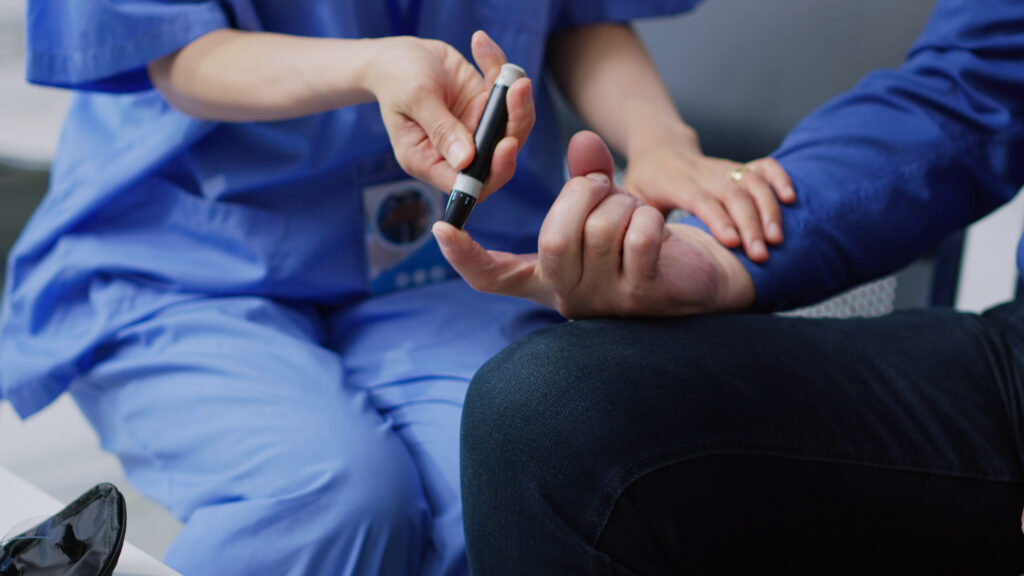
Routine medical care is a cornerstone of both diabetes management and recovery. Regular appointments allow providers to monitor blood glucose levels, evaluate medications, and adjust treatment plans when needed. If you consistently check in with your doctor, you can gain insight into how your condition is progressing and receive guidance tailored to your lifestyle and recovery needs. These visits also support early detection of complications, helping prevent minor concerns from becoming major health setbacks.
Nutrition and Physical Activity
Healthy eating and regular physical activity support both diabetes control and recovery outcomes. A balanced diet helps stabilize blood sugar while improving energy levels and immune function. At the same time, nutritious meals can reduce cravings and enhance mental clarity, which are critical for individuals in recovery. Physical activity further strengthens this connection by improving insulin sensitivity, supporting cardiovascular health, and reducing stress. When patients establish healthier daily routines, they often see improvements in both metabolic health and recovery engagement.
Addressing Mental and Emotional Health
Mental health plays a key role in managing diabetes and sustaining recovery. Living with a chronic condition can contribute to anxiety, depression, or feelings of frustration. Recovery can bring similar emotional challenges. Integrating mental health support into routine care allows providers to screen for concerns, recommend counseling, and coordinate treatment that supports both physical and emotional well-being. This whole-person approach promotes stability and reduces the risk of relapse or medical complications.
Medication Management and Coordinated Care
Medication management highlights the close relationship between diabetes and recovery. Many patients rely on insulin or oral medications to regulate blood sugar, while others may take prescriptions related to addiction treatment or mental health care. Coordinated care helps prevent drug interactions and ensures that treatment plans complement one another. Clear communication between patients and providers supports safer outcomes and reinforces consistency across all aspects of health management.
Education as a Tool for Empowerment
Education connects diabetes management with recovery by empowering patients to make informed decisions. Understanding how food, activity, and medication affect blood sugar helps individuals recognize warning signs and respond appropriately. Learning to manage portions, identify symptoms of high or low blood sugar, and know when to seek care builds confidence and accountability. This sense of control often translates into a stronger commitment to recovery goals as well.
Access to Comprehensive Support
Reliable medical support strengthens the link between diabetes management and recovery. For individuals seeking integrated care, the Complete Healthcare Marion office provides coordinated services that address both chronic disease management and recovery needs. Through personalized treatment plans and compassionate oversight, patients receive the tools and guidance needed to improve outcomes and maintain progress.
A Path Toward Long-Term Wellness
Diabetes management and recovery share the same objective: long-term stability and improved quality of life. When patients commit to routine monitoring, healthy lifestyle habits, and open communication with healthcare providers, they build a strong foundation for lasting wellness. By viewing diabetes as part of a broader health journey rather than an isolated condition, individuals can strengthen both their physical health and recovery efforts. With consistent care and proactive support, patients can achieve balance, resilience, and sustained well-being.