

Complete Healthcare Team
Show content
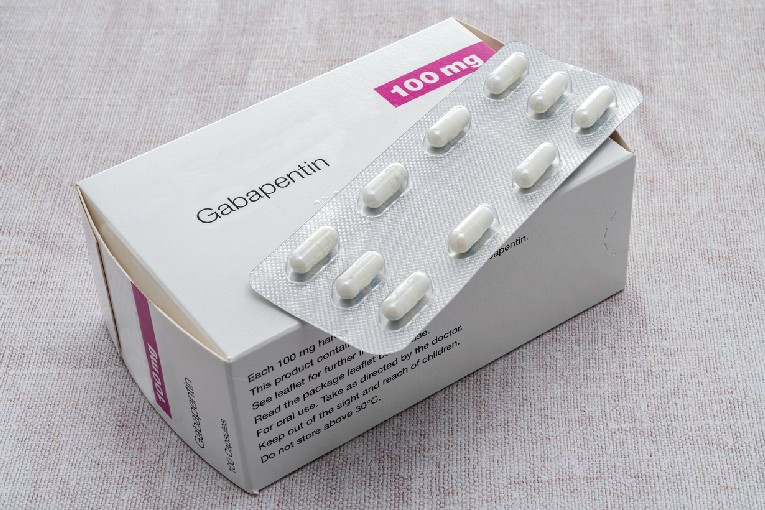
Gabapentin is an anticonvulsant medication that has several FDA-approved uses from treat epilepsy, postherpetic neuralgia (nerve pain post-shingles), and restless leg syndrome. It works by altering the transmission of electrical signals in the brain, which can reduce the intensity of seizures or relieve pain for other disorders. Outside of it’s FDA-approved purposes, many psychiatrists have found off-label use for the drug to help people with anxiety and bipolar disorders, alcohol or opioid withdrawal, and more.
In a study done between 2011-2016, nearly 3% of patients reported using Gabapentin for an off-label purpose most notably for anxiety and bipolar disorders, according to the National Institute of Health.
So clearly, people are using Gabapentin to support their mental health and substance withdrawal, but does Gabapentin actually cause depression?
Can Gabapentin Cause Depression?
A recent observational study published in July 2025 suggests that there may be a correlation between the use of gabapentin and depression, but because it was self-reported by nature, there are not definitive claims as bias may be present. Gabapentin users may experience an onset of depression due to the drug’s interference with serotonin neurotransmission, which can lead to feelings of sadness and hopelessness. However, these side effects are rare and should not discourage people from using gabapentin when a healthcare provider prescribes it.
People with a pre-existing history of depression, anxiety, or other psychiatric conditions face a higher risk of mood-related side effects, as do older adults, those taking higher doses, and those who stop the medication suddenly. Women and those with poor sleep quality have also been identified as higher-risk groups in recent research. Other characteristics recent research has shown:
- Women had a higher prevalence to depression than men
- Those who did not exercise had a high rate of depression (67% higher risk)
- Participants with depression also reported higher raters caffeine intake or smoking
What Possible Side Effects Should I Watch For?
Because gabapentin can influence brain chemistry, it’s worth knowing which mood-related symptoms to monitor — whether you’ve just started taking it, have been on it for a while, or are in the process of tapering off.
Symptoms to watch for include:
- Persistent low mood, sadness, or feelings of hopelessness that are new or noticeably worse since starting gabapentin
- A loss of interest in activities you previously enjoyed
- Increased fatigue or low motivation that goes beyond the medication’s expected drowsiness
- Irritability, mood swings, or emotional instability
- Anxiety or restlessness, particularly in the days following a dose change
- Difficulty concentrating or feeling mentally “foggy”
- In rare but serious cases, thoughts of self-harm or suicide
When to seek help immediately: If you experience thoughts of self-harm or suicide at any point during gabapentin treatment or withdrawal, contact your healthcare provider or call 988 (Suicide & Crisis Lifeline) right away. These symptoms require prompt medical attention.
Other Mental Health Conditions That May Be Associated with Gabapentin
In addition to depression, other mental health conditions may be associated with gabapentin use. These include anxiety, difficulty concentrating, irritability, agitation, restlessness, insomnia, and suicidal behavior. Although these side effects are rare, it is important to tell your healthcare provider if you experience any of them while taking gabapentin.
How To Manage Side Effects
Non-pharmacological treatment options such as cognitive behavioral therapy (CBT) or talk therapy can be effective tools in managing side effects associated with gabapentin use. In addition, lifestyle changes such as regular exercise or stress reduction techniques like yoga or meditation may help improve mood and alleviate symptoms of depression or anxiety. If these measures are not enough to relieve symptoms, then medication options such as selective serotonin reuptake inhibitors (SSRIs) or tricyclic antidepressants may also be prescribed.
Can Stopping Gabapentin Cause Depression?
In short, yes. Depression can emerge or worsen when gabapentin is stopped, particularly if it is discontinued abruptly. If you’re wanting to go off of Gabapentin, be sure to discuss with your physician as the act of stopping suddenly can cause depression or withdrawal symptoms in patients.
Gabapentin affects GABA (gamma-aminobutyric acid) activity in the brain, and the body can become physically dependent on it, sometimes in as little as a few weeks at higher doses. When the medication is removed suddenly, the brain must readjust to functioning without it, which can trigger a withdrawal syndrome that includes significant mood changes.
Withdrawal symptoms typically peak between 2 and 7 days after the last dose. During this period, depression, often accompanied by feelings of hopelessness or worthlessness, is one of the more commonly reported psychological symptoms.
The safest approach is never to stop gabapentin suddenly, and always talk to your doctor before changing your medication or frequency.